

🕐 4 min read
Quick Summary
- Identify which spring projects in Waterloo require a building permit by checking structural and system changes.
- Research specific City of Waterloo bylaws and zoning requirements before finalizing your project plans.
- Prepare detailed application documents, including site plans that demonstrate Ontario Building Code compliance.
- Submit your complete application and use the permit number to track its status through municipal review.
- Schedule and pass all mandatory inspections during construction to ensure ongoing code adherence.
- Obtain final inspection approval and a Certificate of Completion for your records and home’s legality.
- Consider hiring a licensed local contractor to manage the permit process and ensure a turnkey project experience.
Table of Contents
- Step 1: Understanding What Needs a Permit
- Step 2: Researching Local Waterloo Requirements
- Step 3: Preparing Your Application Documents
- Step 4: Submitting and Tracking Your Permit
- Step 5: Managing Inspections During Construction
- Step 6: Completing the Project and Final Approval
- Step 7: Leveraging Professional Guidance
Spring in the Kitchener-Waterloo region signals the start of the ideal season for home improvement projects. The thawing ground and longer days provide a perfect window for renovations, additions, and landscaping. However, a successful custom project hinges on more than just good weather; it requires careful navigation of local permit processes and adherence to provincial regulations. This guide provides a clear, step-by-step approach to managing the permit landscape in Waterloo and the broader Kitchener-Waterloo-Cambridge area, ensuring your project proceeds smoothly, safely, and legally from the first sketch to the final inspection.
Step 1: Understanding What Needs a Permit
Before you pick up a hammer, determine if your project requires official approval. In Waterloo, permits are mandatory for most structural, plumbing, electrical, and HVAC work. This includes building a new addition, finishing a basement to create a legal secondary suite, altering load-bearing walls, or installing a new bathroom. Even significant landscaping projects involving new retaining walls or extensive hardscaping often need permits to ensure proper drainage and structural safety. The rule of thumb is: if it changes the structure, use, or safety systems of your home, a permit is likely required. Consulting the official Ontario Building Code is the definitive source for provincial standards, but local bylaws may have additional requirements.
Step 2: Researching Local Waterloo Requirements
Each municipality has its own specific bylaws, fee structures, and application processes. Visit the City of Waterloo’s official website and navigate to the Building Services section. Here, you’ll find application forms, checklists, and guides tailored to projects like basement renovations or home additions. Pay close attention to zoning bylaws, which govern property use, building size, and setbacks from lot lines. For instance, planning a spring basement renovation that maximizes your home’s value must first comply with these spatial rules. Understanding these local nuances early prevents costly redesigns later.
Step 3: Preparing Your Application Documents
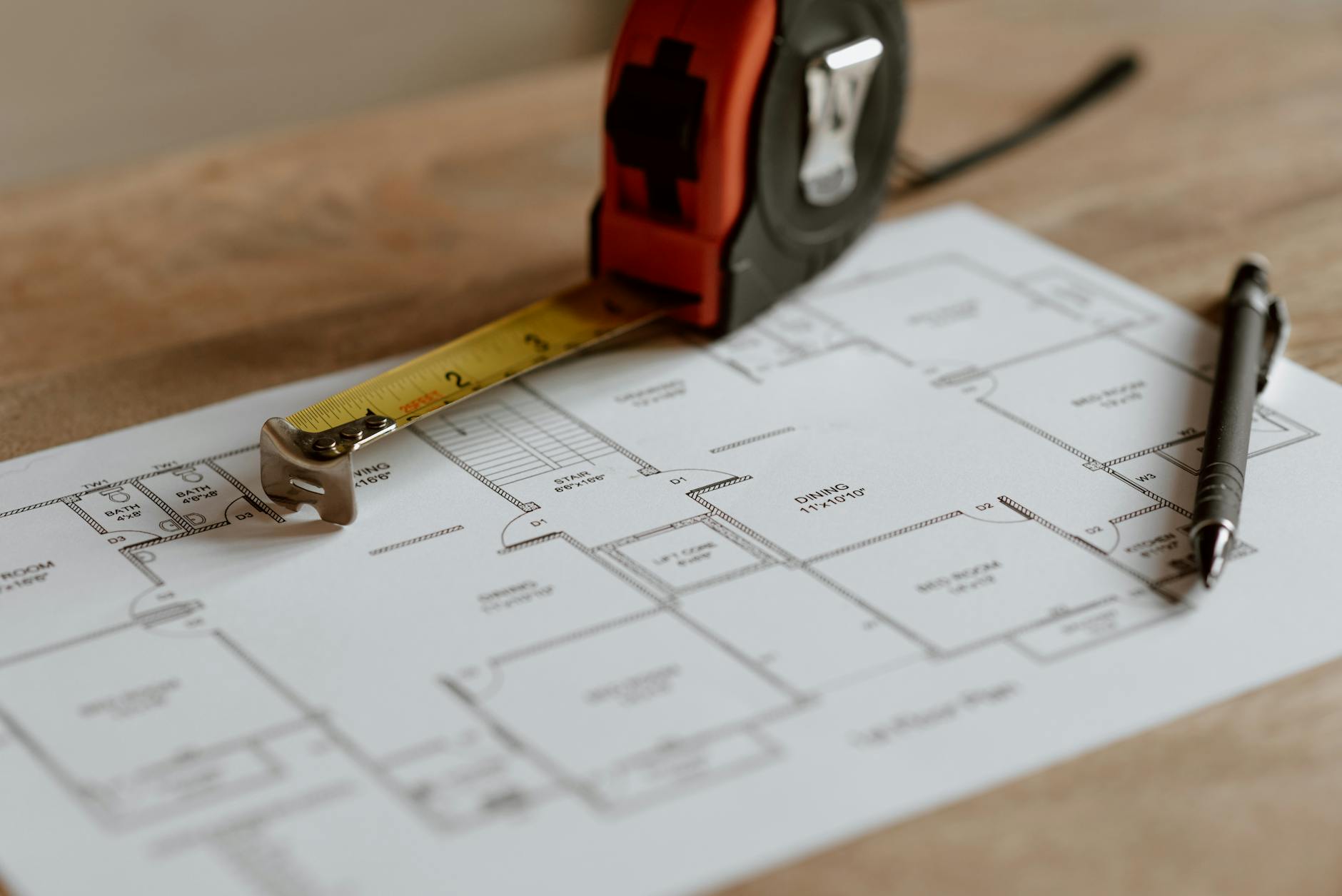
A complete application is the key to a swift approval. Typically, you’ll need detailed site plans, floor plans, cross-sections, and construction details. These drawings must demonstrate compliance with the Ontario Building Code for structural integrity, fire safety, insulation, and accessibility. For electrical or plumbing work, separate permits and diagrams from licensed contractors are usually required. If your project involves complex financing, exploring smart financing options for your Ontario home addition can be part of this preparatory phase. Thorough documentation shows the city your project is well-planned and reduces back-and-forth delays.
Step 4: Submitting and Tracking Your Permit
Submit your application package to the City of Waterloo’s Building Division, either online, by mail, or in person. Ensure all forms are signed and fees are paid. After submission, you’ll receive a permit number. Use this to track your application’s status online. Review times vary based on project complexity and municipal workload, so factor this into your spring timeline. During review, officials may request clarifications—respond promptly to keep the process moving. Remember, obtaining the permit is your legal authorization to begin construction; starting work without it can result in stop-work orders, fines, and complications when selling your home.

Step 5: Managing Inspections During Construction
Your permit includes a schedule of mandatory inspections at critical construction phases, such as before pouring concrete footings, after framing, or during rough-ins for plumbing and electrical. It is your responsibility to call the city to request each inspection at the appropriate time. Failing an inspection means work must be corrected and re-inspected, causing delays. To avoid common pitfalls, especially in complex projects like basement renovations, it’s wise to learn how to avoid common spring basement renovation mistakes. A licensed contractor familiar with local codes can expertly manage this inspection workflow.
Step 6: Completing the Project and Final Approval
Once construction is finished, a final inspection is required. The inspector will verify that all work matches the approved plans and complies with the Building Code. Upon passing, you’ll receive a Certificate of Completion or Final Permit sign-off. This document is crucial—it’s proof that your project is legal and safe, which is essential for insurance purposes and future property sales. Keep all permit documents, inspection reports, and the final certificate in your home’s permanent records. For projects like landscaping, incorporating eco-friendly spring landscaping in Kitchener can also add long-term value and sustainability.
Step 7: Leveraging Professional Guidance
Navigating permits, codes, and inspections while managing a custom project is a significant undertaking. Partnering with a licensed and insured contractor who has extensive local experience in the Kitchener-Waterloo region can transform this complex process into a seamless, turnkey operation. They handle the permit applications, coordinate inspections, and ensure every phase meets code, allowing you to focus on the vision for your home. Many reputable firms offer free initial consultations to review your project’s scope and permit pathway, providing practical reassurance before any commitment is made.
Frequently Asked Questions
What types of spring home projects in Waterloo typically require a permit?
Contact HAFI for more information.
How long does it usually take to get a building permit approved in Waterloo?
Contact HAFI for more information.
Can I apply for a building permit myself, or do I need a contractor?
Contact HAFI for more information.
What happens if I start my spring renovation project without a required permit?
Contact HAFI for more information.
Ready to Start Your Project?
Get a free consultation with HAFI Contracting Group – Kitchener-Waterloo’s trusted renovation and landscaping experts.