
🕐 3 min read
Quick Summary
- Choose materials suited to Ontario’s freeze-thaw cycles and humidity.
- Always verify material compliance with the Ontario Building Code.
- Hire a licensed contractor with experience in local renovations.
- Invest in high-quality insulation, windows, and roofing for long-term savings.
Table of Contents
Planning a home addition in Ontario this spring? Aside from design and permits, choosing durable materials is critical to ensure your new space stands up to the region’s freeze-thaw cycles, humidity, and heavy snow loads. This guide walks you through selecting materials that last, comply with local codes, and protect your investment.

What Is Durable Material Selection?
Durable material selection means choosing building products that can withstand the physical demands of your home addition over many years. In Ontario, this includes resistance to moisture, temperature extremes, and structural stress. It goes beyond aesthetics—it’s about selecting the right concrete mix, siding, roofing, and insulation for the local climate. For example, exterior materials in the Kitchener-Waterloo-Cambridge region must endure cold winters and warm, wet springs without degrading quickly.
Why It Matters
Your home addition is a long-term investment. Using materials that aren’t suited to Ontario’s weather can lead to cracking, mould, rot, and costly repairs. Proper material selection enhances energy efficiency, reduces maintenance, and maintains property value. With spring being a popular time to start construction, choosing now with durability in mind saves headaches later. Plus, durable materials often contribute to better indoor air quality and comfort.
Key Considerations
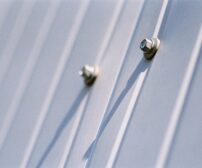
First, understand the Canadian climate. For foundations, use high-strength concrete with air-entrainment to resist freeze-thaw damage. In above-ground walls, opt for pressure-treated lumber or steel studs to avoid moisture issues. Exterior cladding should be fiber cement or brick; avoid wood in damp areas if not properly sealed. For roofing, consider asphalt shingles rated for high wind or metal roofing for longevity. Windows and doors must be ENERGY STAR certified with proper weatherstripping. Insulation should exceed minimum Ontario Building Code requirements—aim for R-values appropriate for your zone (Kitchener-Waterloo is Zone 5). Also consider sourcing materials locally to reduce transportation emissions and support regional businesses.
Ontario Permits
Most home additions require a building permit from your municipality. The Ontario Building Code sets minimum standards for structural integrity, fire safety, and energy efficiency. Building inspectors will check that your materials meet code—for example, foundation depth, wall bracing, and window egress. Before buying materials, ensure they comply with OBC standards. You can find the full code here. For guidance on permits specific to spring projects, see our post on navigating Waterloo’s spring permits.

Choosing a Contractor
Select a licensed contractor experienced in Ontario additions. Verify their licence with WSIB and check for insurance. A good contractor will help you source durable materials, manage permits, and supervise installation. They should provide a clear contract with material specifications. For complex additions like a legal suite or second storey, look for turnkey providers who handle everything. Ask for references and visit past projects. We also recommend reading about common mistakes to avoid to stay informed.
How HAFI Can Help
HAFI Contracting Group serves the Kitchener-Waterloo region with professional home additions. We emphasise licensed work, Ontario Building Code compliance, and permit handling. Our team offers turnkey management, from material selection to final inspection. We use only durable, code-approved materials and offer free consultations to discuss your project. Financing is available through third-party partners. Contact us at +15198046466 or hello@hafigroup.ca. Learn more about our approach to eco-friendly renovations that also prioritise durability.
Frequently Asked Questions
What are the most durable materials for a home addition in Ontario?
For foundations, use air-entrained concrete. For siding, fiber cement or brick. Roofing should be asphalt shingles rated for high wind or metal. Windows and doors must be ENERGY STAR certified.
Do I need a permit for a home addition in Kitchener-Waterloo?
Yes, most additions require a building permit. The Ontario Building Code sets minimum standards. Your contractor can help with the application.
How can I ensure my contractor uses durable materials?
Ask for specific material brands and grades in the contract. Choose a licensed contractor with local experience, like HAFI, who prioritises code compliance.
What financing options are available for home additions?
HAFI offers flexible financing through third-party partners with competitive rates. Contact us for details tailored to your project.
Ready to Start Your Project?
Get a free consultation with HAFI Contracting Group – Kitchener-Waterloo’s trusted renovation and landscaping experts.