

🕐 3 min read
Quick Summary
- Assess your basement and obtain necessary permits before starting design work.
- Plan for biophilic design by adding egress windows for natural light.
- Select durable, trend-forward materials like LVP flooring and quartz countertops.
- Create flexible zones for work, exercise, and entertainment.
- Incorporate warm minimalism with clean lines, cosy textures, and layered lighting.
- Navigate permits and construction schedule with professional help.
- Finish with eco-friendly features and smart home technology.
Table of Contents
Step 1: Assess Your Basement Potential and Permit Needs
Step 2: Plan for Biophilic Design and Natural Light
Step 3: Choose Durable, Trend-Forward Materials
Step 4: Create Flexible, Multifunctional Zones
Step 5: Incorporate Warm Minimalism and Lighting
Step 6: Navigate Permits and Construction Schedule
Step 7: Finish with Eco-Friendly and Smart Features
As spring arrives in the Cambridge area, basement renovations offer a timely opportunity to refresh your home and boost its value. With 2025 design trends leaning toward biophilic elements, warm minimalism, and multi-functional spaces, your basement can become a standout living area—provided you plan carefully and adhere to local regulations. This guide walks you through incorporating these trends into your project, from initial planning to final touches, with a focus on practicality, compliance, and professional execution.
Step 1: Assess Your Basement Potential and Permit Needs
Before diving into design, evaluate your basement’s current condition and determine what’s possible under the Ontario Building Code. Check ceiling height, moisture levels, and access points. In Cambridge, any renovation that alters structural elements, adds a bedroom or bathroom, or changes egress requires a building permit. Refer to the Ontario Building Code for minimum requirements, such as 1.95 m ceiling height for habitable rooms. Engage a licensed contractor to assess and prepare the permit application, ensuring your project starts on solid legal ground.
Step 2: Plan for Biophilic Design and Natural Light
2025 trends emphasize biophilic design—bringing the outdoors in. To incorporate this in a basement, prioritize egress windows that meet code for natural light and emergency exit. Consider adding a light well or window wells to draw in daylight. Use earth tones, natural materials like wood and stone, and indoor plants that thrive in low light (e.g., snake plants, pothos). If structural changes are needed, consult with your contractor on feasible modifications that comply with local building codes. This approach not only aligns with trends but creates a healthier, more inviting space.
Step 3: Choose Durable, Trend-Forward Materials
Select materials that balance style, durability, and moisture resistance. Luxury vinyl plank (LVP) flooring is trendy, waterproof, and ideal for basements. For walls, consider shiplap or textured paneling in warm neutral tones. Countertops in quartz or solid surface withstand humidity and offer clean lines. For more ideas, see our guide on durable material selection for spring renovations. Avoid materials that trap moisture—always choose options rated for below-grade use. Your licensed contractor can advise on best choices for Cambridge’s climate.

Step 4: Create Flexible, Multifunctional Zones
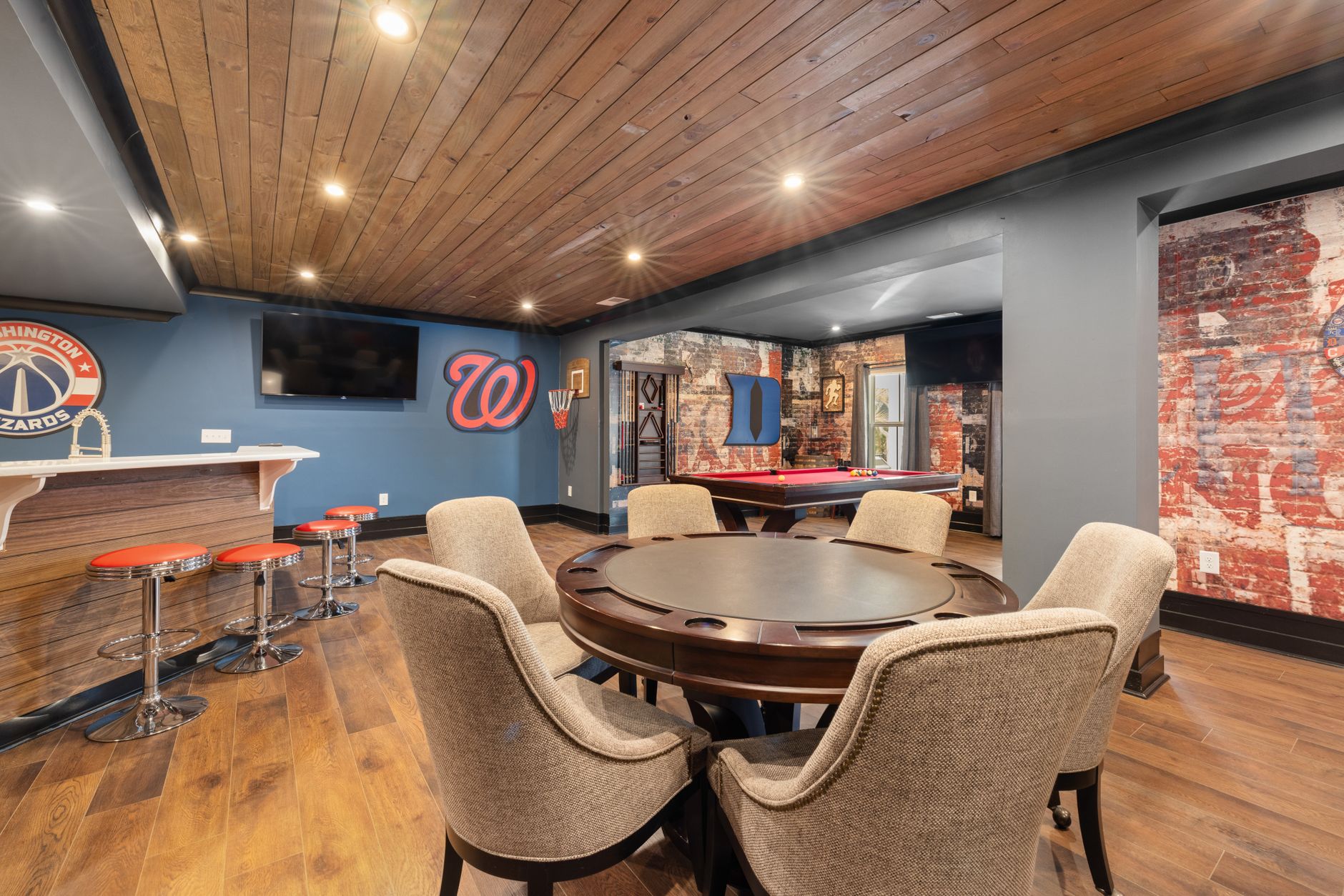
2025 favours spaces that serve multiple purposes. Design your basement with distinct zones: a home office, gym, entertainment area, or guest suite. Use partial walls, sliding barn doors, or furniture arrangement to define zones without sacrificing openness. For legal suites, ensure separate entrance and compliance with Ontario Building Code requirements for fire separation and soundproofing. This step maximizes usability and aligns with local demand for versatile living spaces across the Kitchener-Waterloo-Cambridge region.
Step 5: Incorporate Warm Minimalism and Lighting
Warm minimalism is a key 2025 trend—clean lines paired with cosy textures. Choose built-in cabinetry with simple profiles, add layered lighting (recessed, pendant, and floor lamps), and use soft metallic accents. Recessed lighting with dimmers allows you to adjust the mood. Ensure all electrical work is performed by a licensed electrician and meets code. Good lighting transforms a basement from dark to inviting, supporting both function and aesthetic trends.
Step 6: Navigate Permits and Construction Schedule
Renovating in spring means dealing with permit backlogs. Submit your permit application early, with detailed plans prepared by a licensed professional. Your contractor should manage the permit process and inspections. Once approved, schedule work to avoid common spring issues like groundwater seepage. For tips on avoiding pitfalls, read our article on common spring basement renovation mistakes. A turnkey contractor like HAFI handles all coordination, saving you time and stress.
Step 7: Finish with Eco-Friendly and Smart Features
Capping off your renovation, integrate eco-friendly upgrades: energy-efficient LED lighting, low-VOC paints, and programmable thermostats. Smart home features like moisture sensors and smart lighting enhance convenience and protect your investment. These additions are popular in 2025 and can be financed through our flexible options. For more sustainable ideas, check this guide on eco-friendly basement renovations. Contact HAFI Contracting Group at +15198046466 or [email protected] for a free consultation and turnkey management of your Cambridge basement renovation this spring.
Frequently Asked Questions
Ready to Start Your Project?
Get a free consultation with HAFI Contracting Group – Kitchener-Waterloo’s trusted renovation and landscaping experts.
Related Articles
→ How to Plan a Spring Basement Renovation That Maximizes Your Ontario Home’s Resale Value→ Avoid These 5 Common Basement Renovation Mistakes in Ontario→ The Complete Guide to Sustainable & Eco-Friendly Home Renovations in Ontario
Looking for professional basement renovation in Cambridge? HAFI Contracting Group offers free consultations and transparent pricing. Learn more about our basement renovation services in Cambridge or get a free quote today.