

🕐 4 min read
Quick Summary
- Sustainable retaining walls can be eco-friendly and cost-effective.
- 10-foot walls require engineering and Ontario Building Code compliance.
- Materials like recycled concrete and natural stone are durable and green.
- Professional installation ensures safety and enhances property value.
Table of Contents
When summer arrives in southern Ontario, homeowners start thinking about outdoor living spaces, curb appeal, and property value. A well-designed retaining wall can transform a sloped yard into a functional, beautiful space—but not all retaining walls are created equal. Choosing sustainable, eco-friendly materials and practices not only benefits the environment but also enhances your home’s long-term value. If you’re considering a 10-foot retaining wall in Toronto, understanding your options—and working with a contractor who prioritizes green building—is key.
In the Greater Toronto Area, retaining walls over four feet in height must be engineered and built to meet the Ontario Building Code. This ensures structural integrity and safety, especially when dealing with the load of a 10-foot wall. Sustainable options like segmented retaining walls made from recycled concrete, interlocking blocks, or natural stone with locally sourced materials can be both aesthetically pleasing and environmentally responsible. However, the environmental impact goes beyond materials—it also involves proper drainage, using geogrid reinforcement (often made from recycled plastic), and minimizing soil disruption during installation.
Why Eco-Friendly Retaining Walls Matter
Traditional retaining wall construction often involves pouring vast amounts of concrete, which has a high carbon footprint. Eco-friendly alternatives reduce this impact by using recycled content, permeable designs that manage stormwater naturally, and construction methods that preserve topsoil and native vegetation. A sustainable wall also helps prevent soil erosion and can even improve local biodiversity when planting areas are integrated. For homeowners in the Kitchener-Waterloo-Cambridge region, these benefits are especially relevant, as the area values green living and sustainable development.
Sustainable Materials for a 10-Foot Wall
When building a wall of this height, the choice of material is critical. Here are sustainable options suitable for 10-foot retaining walls:
- Recycled Concrete Blocks (RCP): Made from demolished concrete, these blocks reduce landfill waste and the need for virgin materials. They come in various sizes and textures, mimicking natural stone while being durable and cost-effective.
- Interlocking Concrete Blocks: Many interlocking systems use supplementary cementitious materials like fly ash or slag, lowering their carbon footprint. They are easy to install and flexible, accommodating soil movement without cracking.
- Natural Stone: Locally quarried stone, such as limestone or granite, requires less transportation energy. If sourced sustainably, it has a long lifespan and blends beautifully with the landscape.
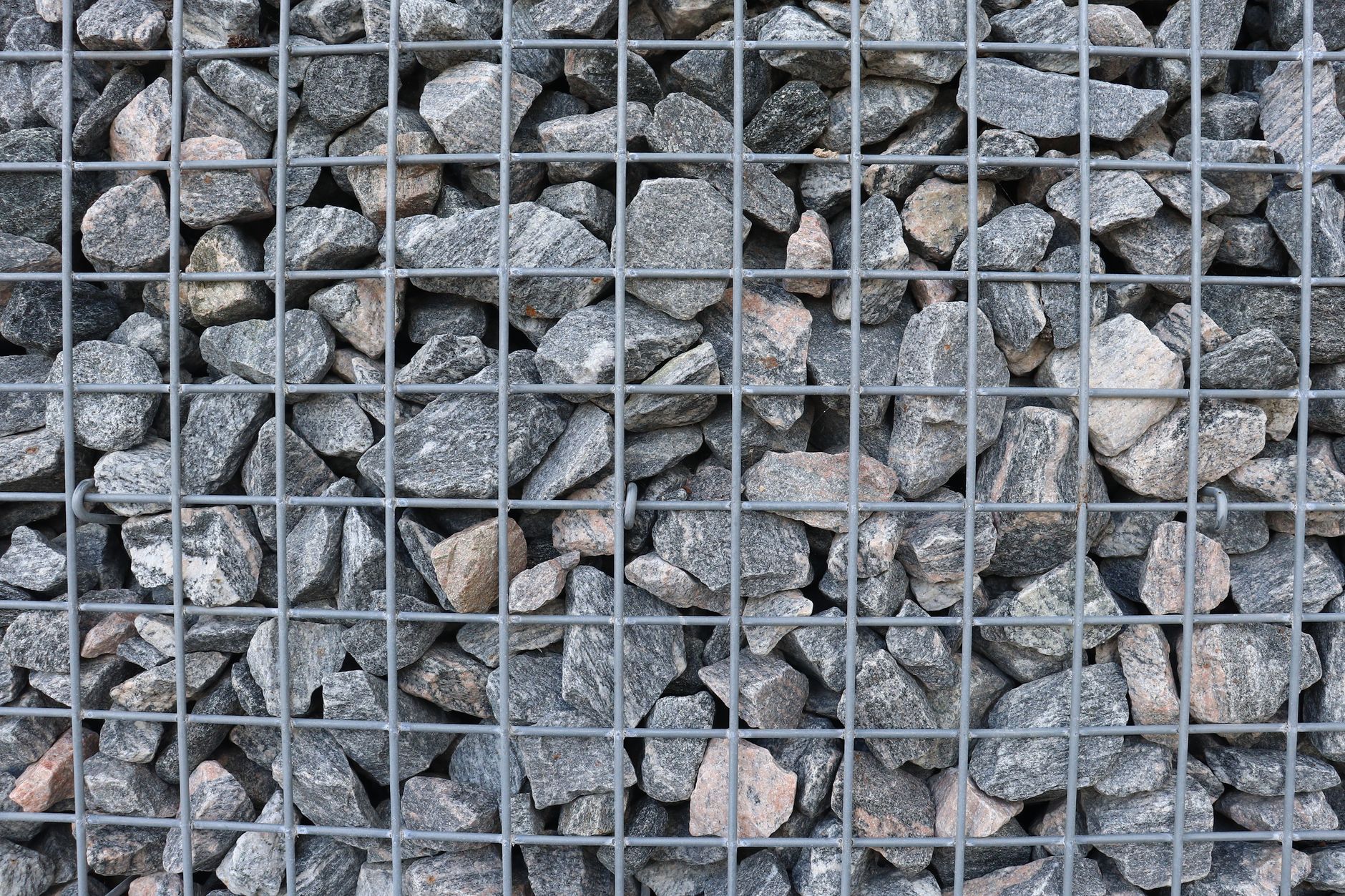
- Gabion Walls: Wire baskets filled with recycled concrete rubble or local rock provide excellent drainage and a rustic look. They are highly sustainable, promotes vegetation growth, and are often less expensive.
For a 10-foot wall, engineering is crucial. The wall must withstand lateral earth pressure, and geogrid reinforcement is typically required. Choose materials that are proven for high walls—always verify with the manufacturer and your engineer.
Building Code and Permit Considerations
In Ontario, any retaining wall over 1 metre (about 3.3 feet) generally requires a building permit and must comply with the Ontario Building Code (OBC). The OBC outlines structural requirements, drainage, and safety. Your contractor should be licensed and experienced in obtaining the necessary permits from your local municipality, whether you’re in Toronto, Mississauga, or the surrounding region. Never skip this step—a proper permit ensures inspections, which protect your investment and safety.

Beyond permits, you should also consider local zoning bylaws, property lines, and easements. A professional contractor will handle all these details, ensuring your project is code-compliant and hassle-free. They will also manage any necessary geotechnical studies for a 10-foot wall, which is a must for structural integrity.
Cost and ROI of a Sustainable Wall
While the initial cost of eco-friendly retaining walls can be comparable to traditional walls, the long-term savings are notable. Sustainable walls often require less maintenance, have longer lifespans, and can increase your property’s appeal. A well-built retaining wall can boost your home’s resale value by creating usable, level yard space—a feature many buyers seek. For a detailed cost and ROI analysis, check out our guide on 10 Foot Retaining Wall Cost & ROI in Cambridge, Ontario.
Additionally, investing in green landscaping can qualify for certain tax incentives? Possibly not, but it certainly adds to your property’s curb appeal. To fund your project, we offer flexible financing options through trusted partners. Learn more about financing options for your summer concrete projects—many of which apply to retaining walls as well.
Why Hire a Licensed Eco-Conscious Contractor?
Choosing the right contractor is just as important as choosing the right materials. A licensed and insured contractor ensures your wall is built to code, using best practices that minimize environmental impact. They will also help with site planning, including preserving existing trees and vegetation. Our team at HAFI Contracting Group specializes in sustainable landscape solutions across the GTA and beyond. We bring local experience and turnkey management, from design to final inspection.
Take the Next Step
Building a sustainable 10-foot retaining wall is a significant project, but with the right team, it can be a seamless and rewarding experience. We offer free consultations to discuss your specific needs and provide expert advice. Contact us today at +15198046466 or [email protected] to schedule your appointment. Let’s create an eco-friendly landscape that adds value to your home and peace of mind to you.
Frequently Asked Questions
What is the most eco-friendly material for a retaining wall?
Gabion walls filled with recycled concrete or locally sourced rock are highly eco-friendly due to their permeability and low carbon footprint. Recycled concrete block and natural stone from nearby quarries are also excellent choices.
Do I need a permit for a 10-foot retaining wall in Ontario?
Yes, any retaining wall over 1 metre (approximately 3.3 feet) typically requires a building permit in Ontario. A licensed contractor will handle the permit process and ensure compliance with the Ontario Building Code.
How much does a 10-foot retaining wall cost on average?
Costs vary based on material, site conditions, and engineering requirements. For a detailed cost breakdown and ROI analysis specific to the region, see our guide on 10-foot retaining wall costs in Cambridge, Ontario.
Will a retaining wall increase my property value?
Yes, a well-constructed retaining wall can increase usable yard space, improve drainage, and enhance curb appeal, all of which boost resale value. Sustainable features are particularly attractive to eco-conscious buyers.
Ready to Start Your Project?
Get a free consultation with HAFI Contracting Group – Kitchener-Waterloo’s trusted renovation and landscaping experts.
Related Articles
→ Complete Guide to Choosing the Best Materials for Your 5 Foot Retaining Wall in Toronto, Ontario→ Summer Retaining Wall Contractors Near Me in Cambridge, Ontario: How to Choose the Right Pro→ How to Choose the Right Retaining Wall Contractors for Your Summer Landscaping Project in Ontario