

🕐 3 min read
Quick Summary
- Assess existing space for structural and moisture issues before planning.
- Secure permits and ensure compliance with Ontario Building Code.
- Incorporate natural materials and plants for biophilic design.
- Install smart technology like lighting and leak detectors.
- Divide the basement into flexible multi-functional zones.
- Choose moisture-resistant, trendy finishes like vinyl plank and matte fixtures.
- Hire a licensed, turnkey contractor to manage the entire renovation.
Table of Contents
- Step 1: Assess Your Space and Structural Limits
- Step 2: Plan for Permits and Building Code Compliance
- Step 3: Embrace Biophilic Design and Natural Materials
- Step 4: Integrate Smart Home Technology
- Step 5: Create Multi-Functional Zones
- Step 6: Select Trendy Finishes That Withstand Moisture
- Step 7: Hire a Licensed Turnkey Contractor
As spring arrives in the Kitchener-Waterloo region, homeowners are eager to refresh their basements with the latest design trends while ensuring code compliance and practical functionality. This guide walks you through incorporating 2025 design trends into your basement renovation, from planning to finishing touches, with a focus on permits, Ontario Building Code, and professional execution.
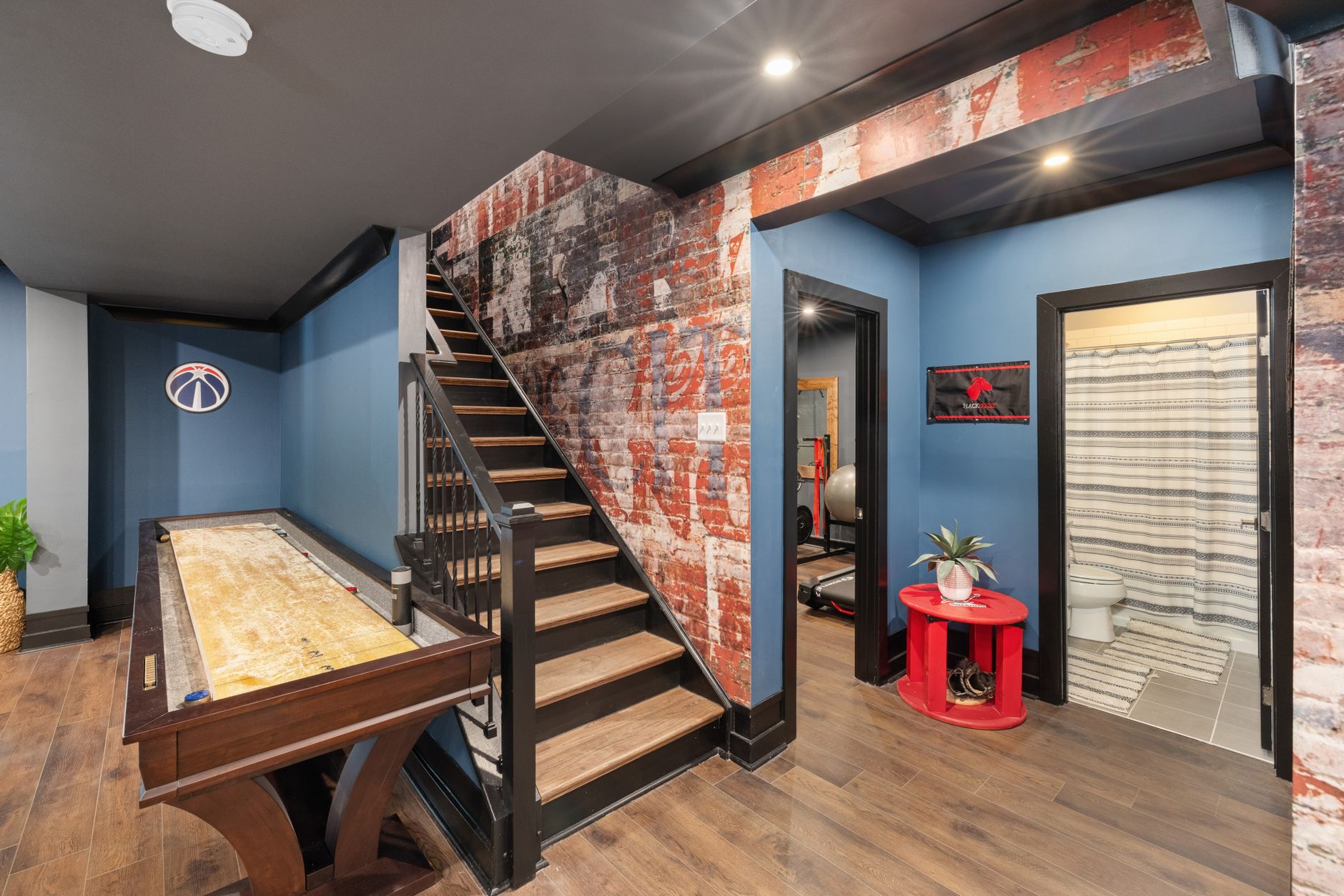
Step 1: Assess Your Space and Structural Limits
Before incorporating any trends, evaluate your basement’s current condition. Check ceiling height (minimum 7’6″ for habitable spaces under Ontario Building Code), moisture levels, and existing layout. In the wider Kitchener-Waterloo-Cambridge region, older homes may have low ceilings or uneven floors. Test for radon and water infiltration. A licensed contractor can perform a professional assessment and confirm structural viability. Remember, any changes to load-bearing walls require permit applications.
Step 2: Plan for Permits and Building Code Compliance
Most basement renovations in Ontario require building permits, especially if you’re adding a legal suite or altering egress windows. The Ontario Building Code Ontario Building Code mandates proper exits, smoke alarms, minimum window sizes, and ventilation. For a 2025 trend like open-concept living, ensure egress windows meet size requirements. Work with a licensed contractor like HAFI Contracting Group who handles permits and inspections seamlessly. For more on planning stages, see our spring basement project timeline in Waterloo, Ontario.
Step 3: Embrace Biophilic Design and Natural Materials
One of the top 2025 trends is biophilic design – connecting indoor spaces with nature. Use natural materials like wood panelling, stone veneer, and earthy colour palettes (sage green, terracotta). Add abundant indoor plants and maximise natural light with larger egress windows or light wells. In a basement, ensure proper vapour barriers and insulation behind wood features to prevent moisture issues. This aligns with sustainable living trends popular in the Waterloo region. For financing such upgrades, check our flexible payment options for Kitchener renovations.
Step 4: Integrate Smart Home Technology
Smart lighting, thermostats, and motorized window coverings are must-haves for 2025. Use recessed LED strips for ambient lighting, and integrate voice-controlled systems. Ensure all electrical work is performed by a licensed electrician and permitted as per the Electrical Safety Authority. Smart water leak detectors are especially useful in basements. Plan for wiring during rough-in stages to avoid cutting drywall later.

Step 5: Create Multi-Functional Zones
2025 favours flexible spaces that serve multiple purposes. Divide your basement into zones: a home theatre area, a home office, a gym, and a bar. Use sliding doors or curtains for separation without sacrificing openness. In basements with lower ceilings, avoid heavy partitions. Ensure each zone has adequate lighting and ventilation. For legal suites, separate entrances and kitchenes must comply with zoning bylaws – check with the local municipality.
Step 6: Select Trendy Finishes That Withstand Moisture
Choose materials that are both stylish and durable: engineered vinyl plank flooring (waterproof), tile, and quartz countertops. Matte black fixtures and brushed brass accents are in vogue. For basement bathroom renovations, use mould-resistant drywall and cement board. Seal concrete walls and floors. Avoid carpet; if you must, use modular carpet tiles that can be replaced individually. Always use a vapour barrier behind insulation.
Step 7: Hire a Licensed Turnkey Contractor
The safest way to execute a trend-forward, code-compliant renovation is to hire a licensed contractor who manages the entire project. HAFI Contracting Group is licensed and insured, offering turnkey services for basement renovations, from design to final inspection. We provide free consultations and flexible financing. Our local experience in the Kitchener-Waterloo region ensures your project meets all regulations while reflecting 2025 aesthetics. For more guidance, read our top tips for choosing a basement contractor in Waterloo.
Ready to transform your basement? Contact HAFI at +15198046466 or [email protected]. Book a free consultation today.
Frequently Asked Questions
Ready to Start Your Project?
Get a free consultation with HAFI Contracting Group – Kitchener-Waterloo’s trusted renovation and landscaping experts.
Related Articles
→ How to Incorporate 2025 Design Trends into Your Cambridge Basement Renovation This Spring→ 2026 Kitchener Renovation Design Trends to Inspire Your Spring Home Transformation→ The Complete Guide to Durable Material Selection for Your Ontario Home Addition This Spring
Looking for professional basement renovation in Waterloo? HAFI Contracting Group offers free consultations and transparent pricing. Learn more about our basement renovation services in Waterloo or get a free quote today.


